
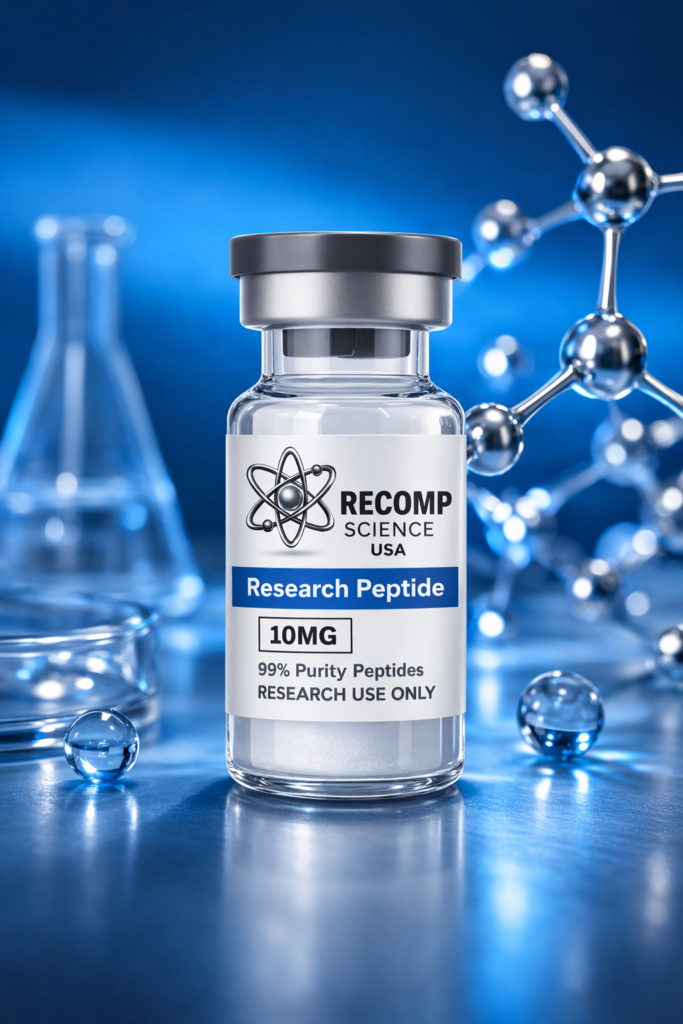
Research peptides are studied for their effects on fat loss, muscle growth, metabolism, and recovery through specific signaling pathways in the body.
Introduction
Peptides are rapidly gaining attention in the fields of fitness, metabolic research, and performance optimization. From fat loss to muscle growth and recovery, these compounds are being widely studied for their ability to influence key biological processes. But what exactly is a peptide, and why are they becoming so important in modern research?
In this guide, we break down what peptides are, how they function, and why they are being explored for body composition and metabolic support.
What Is a Peptide?
A peptide is a short chain of amino acids linked together by peptide bonds. Amino acids are the building blocks of proteins, and peptides are essentially smaller, more targeted versions of proteins.
While proteins typically contain long chains of amino acids, peptides are shorter and more specific in their function. This allows them to interact with the body in precise ways, often acting as signaling molecules.
How Do Peptides Work?
Peptides function by sending signals within the body. They bind to receptors on cells and trigger specific biological responses.
These responses may include:
Supporting metabolic regulation Influencing hunger and satiety signals Promoting muscle protein synthesis Assisting with recovery and repair processes Supporting hormonal signaling pathways
Because of their targeted nature, peptides are often studied for their ability to influence very specific functions without broadly affecting unrelated systems.
Why Are Peptides Important in Research?
Peptides are important because they allow researchers to study highly specific biological pathways. Unlike broader compounds, peptides can target precise receptors, making them valuable tools for understanding how the body regulates:
Hunger and appetite Muscle growth and recovery Hormonal balance Energy metabolism Cellular repair
This level of specificity is what makes peptide research so promising in performance and body composition science.
Peptides vs Proteins: What’s the Difference?
While both peptides and proteins are made from amino acids, the key difference lies in their size and function.
Peptides: Short chains, highly targeted signaling roles Proteins: Longer chains, broader structural and functional roles
Because peptides are smaller, they can act faster and more specifically within biological systems.
Are Peptides Natural?
Yes, peptides naturally occur in the body. Many hormones and signaling molecules are peptides, meaning your body already relies on them for essential functions.
Research focuses on understanding how specific peptides can influence these natural processes more effectively.
Final Thoughts
Peptides represent a rapidly growing area of research in metabolic health, performance, and body composition. Their ability to target specific biological pathways makes them valuable tools for studying how the body regulates fat loss, muscle growth, and recovery.
As research continues to evolve, peptides are becoming an increasingly important topic for anyone interested in optimizing performance and understanding advanced fitness science.
Now that you know what a peptide is let’s learn how peptides work.